
Building a firm you love
Nancy McClelland on values, systems, and firm design

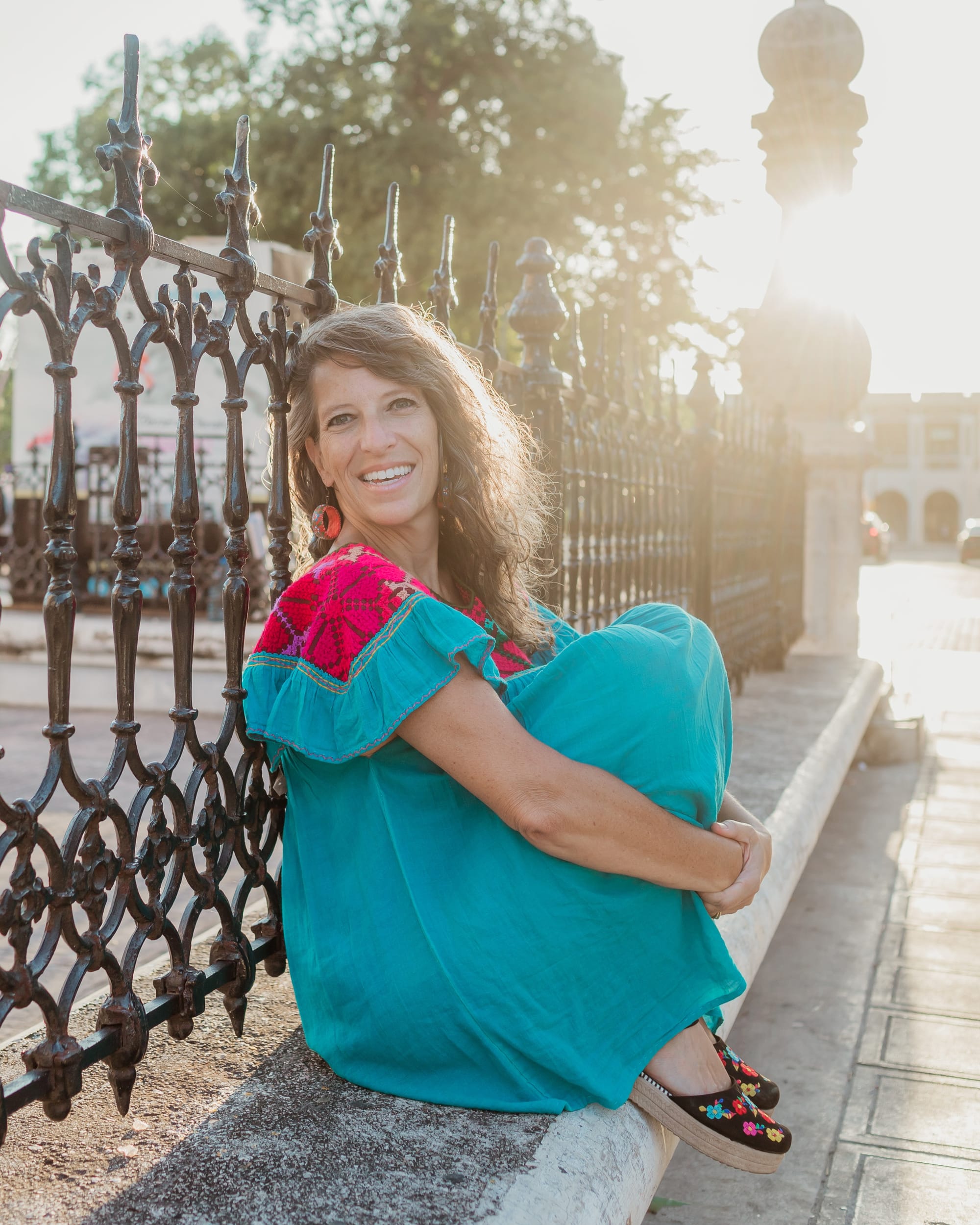
Creating a firm you love isn’t a one-time move. It’s a continual process that evolves as your business grows. Nancy McClelland of The Dancing Accountant and the She Counts podcast has successfully grown a practice based on her personal values.
In this Q&A, McClelland shares how to define those values for your own firm, plus practical tips on incorporating systems and setting client boundaries. She also reveals recent industry trends from her podcast guests.
—The Net Gains
You’ve talked on the podcast about the importance of building a business that reflects your values. How can accountants begin to define what their ideal firm looks like beyond just revenue or headcount?
Start with what you stand for and who you want to be in service of; as much as you’re able, think of your work as a vocation and the people involved as fellow humans who also want to make a difference.
In our case, we’re deeply invested in the well-being of our local neighborhood; therefore, we want to keep small businesses healthy, as they contribute immeasurably to the vibrancy of our community. When we think about the clients we love working with; the problems we’re uniquely equipped to solve; and the “non-negotiables” that make our work sustainable (e.g., work-life rhythms, team culture, flexible and remote positions, community impact), we begin to redefine achievement in terms of experience—client trust, team well-being and the kind of firm culture we want to inhabit daily.
Only then can we develop strategy and metrics around those goals. Clarity around values lets you make decisions that align with your priorities, not someone else’s definition of success.
You advocate for systematizing and automating where possible. What are some tools or workflows that helped your firm grow without burning out your team?
We’re quite focused on personal relationships with clients, so I wanted to make sure automation wasn’t going to remove that touch—I want tech to enhance the human experience. I feel like I floundered in that space for a while until I got honest about where the problems were: accountability, repeatable workflows and client communication. We worked with Hughes & Strong Consulting to focus on the top 80% of pain points and gave ourselves permission to leave the rest manual. I wanted the lowest-lift, highest-payoff items.
Two things made the biggest difference. First, we systematized our annual bookkeeping close so the books are truly “tax-ready.” That checklist is gold, and it’s something I teach inside my ‘Ask a CPA’ community because it provides so much value. We used it to build workflows that removed friction for both our team and our clients.
Secondly, we chose tools that support transparency and follow-through while also syncing with each other. Double (formerly Keeper) keeps work and workflow connected, visible and accessible and also assists in client document collection and communication.
It syncs with QuickBooks Online, which in turn connects with RightTool, ProConnect and StanfordTax. Each of these does its specific job best while integrating seamlessly. This reduces manual steps, which contributes to both accuracy and efficiency…and helps my team breathe easier.
What boundaries have you set in your firm, and what advice would you give to other accountants who are afraid that setting boundaries with clients will hurt their business?
Boundaries aren’t walls built to keep people out. To me, they’re mutual agreements about how we best collaborate with each other while protecting our capacity to do great work.
I want my clients to feel like they can reach out, and yet we’re clear that if they are communicating with us regularly and openly, emergencies should be rare. Most clients rise to the level of trust you give them, and I ask them to think hard about whether a question is truly urgent. Usually, what people need isn’t instant access—it’s steady support, knowing you’ve got their back. (Pro tip: the clients that don’t rise to this level are the first ones on the disengagement list.)
And just as importantly, boundaries help me stay in my lane. I want to be the person clients come to first, not because I do everything, but because I can connect them to the right expertise when something isn’t my wheelhouse. It’s a version of boundaries that looks a lot more like bridges than walls.
The She Counts podcast spotlights the voices of women building unique practices. What trends or themes are you noticing across those conversations that should inspire others in the profession?
I’m hearing a shared commitment to authentic leadership: women are leaning into clarity of purpose, community-centric service, vulnerability as a strength and practices that don’t ask people to sacrifice well-being for profit. There’s a theme of redefining success—centering sustainability, meaningful work and intentional growth over legacy models.
Women are building accounting firms with healthier boundaries, pricing with more confidence and creating cultures where busy season doesn’t require burnout as a rite of passage. You see women carving space for advisory, choosing collaboration over competition and designing practices that fit the lives of the people doing the work.
My favorite accounting conference is Bridging the Gap—and I feel like it’s a glimpse of where the profession is headed. It promotes ideals from a more inclusive leadership perspective: success that feels sustainable, human and deeply aligned with the kind of impact women want to have.
The Net Gains is your one-stop shop for fresh, FREE accounting insights. You can reach the newsletter team at thenetgains@mynewsletter.co. We enjoy hearing from you.
Interested in advertising? Email us at newslettersales@mvfglobal.com
If you've been enjoying the newsletter, don't keep it a secret. Share it with an industry colleague. (Copy the link here.)
The Net Gains is curated and written by Lauren Ward and edited by Bianca Prieto.